Common Mistakes Companies Make at UAE Exhibitions
So you've decided to exhibit in Dubai. Smart move. Whether you're heading to GITEX, Arab Health, or The Big 5, Dubai's exhibition scene is where serious business happens. But here's the thing: too many companies show up unprepared and wonder why they're not getting the results they expected.
Let us walk you through the most common mistakes I've seen companies make at Dubai exhibitions, and more importantly, how you can avoid them.
Underestimating the Power of First Impressions
Your booth is your storefront for three days, and in Dubai, appearances really matter. This is a city that built the world's tallest building and has indoor ski slopes. The bar for "impressive" is pretty high.
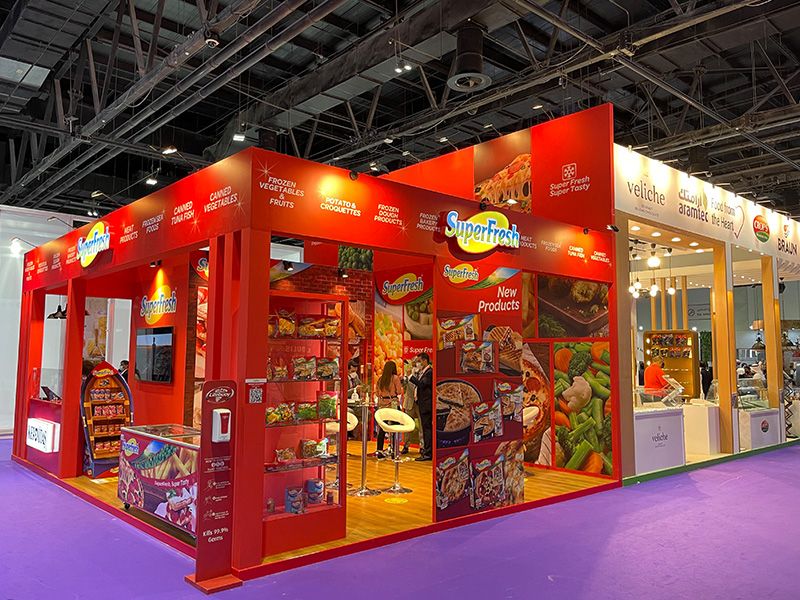
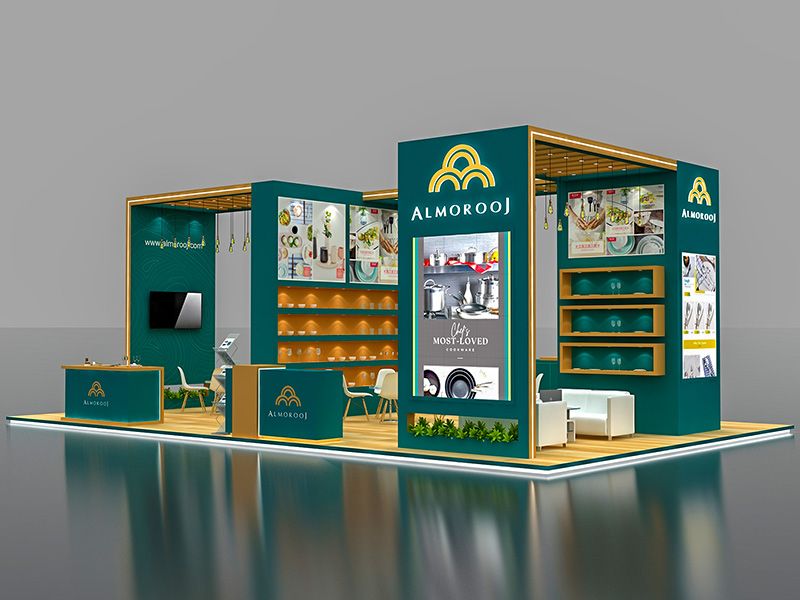
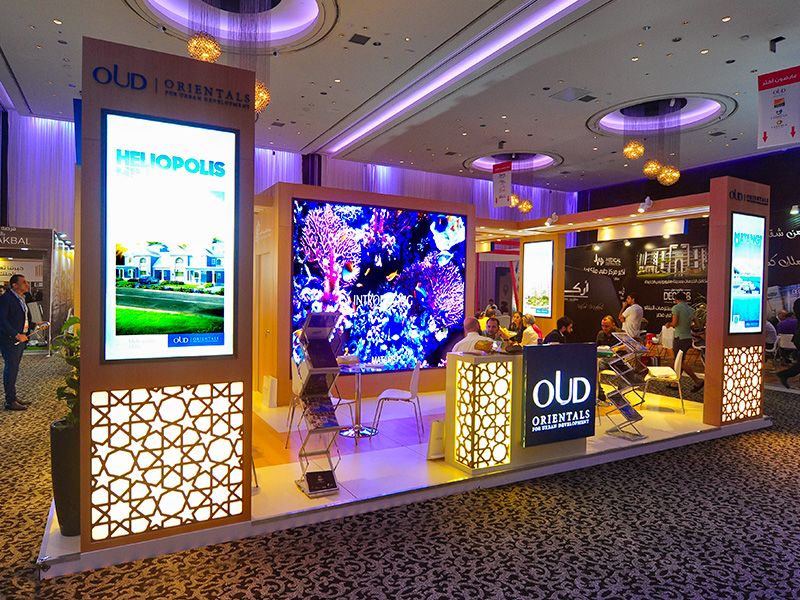
We've seen companies spend thousands on securing prime booth space, only to show up with flimsy pop-up banners and a folding table that looks like it came from a garage sale. In Dubai's premium exhibition venues, that just doesn't cut it. Your booth doesn't need to be the most expensive one on the floor, but it needs to look professional and polished. Think quality materials, proper lighting, and graphics that can actually be read from across the aisle.
The mistake here isn't just about looking cheap. It's about what that communicates to potential clients. If you're cutting corners on your exhibition presence, what does that say about your products or services?
Ignoring Cultural Sensitivities
Dubai is wonderfully cosmopolitan, but it's still rooted in Islamic culture. We've watched companies make uncomfortable mistakes that could have been easily avoided with a bit of cultural awareness.
Your booth staff needs to understand basic etiquette. Dress conservatively, especially during major religious periods. Be mindful of prayer times, which can affect meeting schedules. And please, train your team on appropriate greetings and business card exchange. In the Middle East, relationship building comes before hard selling. If your sales team shows up with an aggressive Western pitch style, you're probably going to turn people off.
Also, think about your marketing materials. What works in Europe or the US might not land well here. Have someone who understands the local market review your messaging before you print thousands of brochures.
Skipping Pre-Event Marketing
Here's a mistake that costs companies dearly: they book their booth, design their stand, and then just show up hoping for foot traffic. That's not a strategy, that's wishful thinking.
Dubai exhibitions attract thousands of visitors, but the most valuable connections are made before the doors even open. Smart exhibitors start promoting their presence weeks in advance. They reach out to existing clients, identify target prospects, and schedule meetings ahead of time. They use LinkedIn, email campaigns, and industry networks to create buzz.
Think about it this way: Would you rather spend three days hoping the right people stumble onto your booth, or would you prefer to have your calendar filled with pre-scheduled meetings with decision makers? The companies that win at exhibitions are the ones who treat it like a business development campaign, not just a three-day pop up shop.
Bringing the Wrong Team
I cannot stress this enough: the people you bring matter more than your booth design. Yet companies constantly make the mistake of staffing their booth with whoever's available rather than whoever's best for the job.
Your booth team needs to be knowledgeable, engaging, and culturally aware. They should be able to answer technical questions, understand your target market, and know how to read a room. Sending junior staff who don't have the authority to make decisions or discuss pricing is a waste of everyone's time.
And here's another thing: train them on how to work a booth. Standing with your arms crossed, being glued to your phone, or chatting amongst themselves while visitors walk by? That's amateur hour. Your team should be approachable, alert, and ready to engage anyone who shows interest.
Failing to Plan for Logistics
Dubai has specific regulations about what you can bring into the country, how booths need to be constructed, and what documentation you need. Companies that don't factor this in end up with nasty surprises.
Shipping your booth materials? That can take 45 days by sea. Customs documentation? It needs to be absolutely spot on or your materials might sit in a warehouse while your exhibition happens without you. Many exhibitions offer on site booth building services, which can save you a massive headache. But you need to plan for this months in advance, not weeks.
Also, think about the practical stuff. Hotels during major exhibitions get booked out fast. So do good booth contractors. The companies that start planning 4 to 6 months ahead get the best locations, the best rates, and avoid the stress of last minute scrambling.
Not Having a Follow Up Strategy
This is where most companies completely drop the ball. They collect a stack of business cards, have great conversations, and then... nothing. They get back to the office and those leads sit in a drawer.
The fortune is in the follow up. The connections you make at a Dubai exhibition are valuable, but only if you actually follow through. Before you even leave for the exhibition, have a plan for how you'll follow up with leads. Within 48 hours of the event ending, you should be sending personalized emails. Within a week, you should be scheduling calls.
Dubai's business culture values relationships. If you meet someone at an exhibition and then ghost them for three weeks, you've basically told them you're not serious. The companies that succeed are the ones who strike while the iron's hot.
The Bottom Line
Exhibiting in Dubai can absolutely transform your business in the Middle East and beyond. But it requires proper planning, cultural awareness, and professional execution. The companies that treat exhibitions as a serious business development tool see serious returns. The ones that wing it? They wonder why they wasted their budget.
Take the time to do it right. Invest in a quality booth, bring your team, market before you arrive, and follow up relentlessly. That's how you turn an exhibition into real business results.