Why Your Event Needs a Story (And Not Just a Schedule)
Here's a question: when was the last time you walked out of an event and actually remembered it a week later? Not just the free swag or the decent coffee, but the actual experience itself?
If you're struggling to answer, you're not alone. Most events blur together in our minds because they're planned like spreadsheets. Logistics, schedules, speakers, and catering. Check, check, check. But here's what's missing: a reason to care. A narrative that ties it all together. In other words, a story.
Events Are Stories Waiting to Happen
Think about the best party you've ever been to. Chances are, it wasn't memorable because someone nailed the timeline. It stuck with you because there was a feeling, a vibe, a thread that connected everything from the moment you walked in to the moment you left. That's storytelling, whether it was intentional or not.
Now imagine if that same intentionality were applied to every event, from product launches to corporate conferences. Instead of just delivering information, you'd be creating an experience that people actually remember and talk about. That's the power of weaving a narrative into your event planning.
Why Storytelling Works
Humans are wired for stories. We've been telling them around campfires for thousands of years. Stories help us make sense of information, connect emotionally, and remember what matters. When you apply storytelling to events, you're tapping into something primal. You're not just asking people to show up and sit through presentations. You're inviting them on a journey.
A well-crafted event story does a few things really well. First, it gives your event purpose beyond the agenda. Second, it creates emotional touchpoints that help people connect with your message. And third, it makes everything more memorable because our brains are much better at remembering stories than facts and figures.
When attendees feel like they're part of something bigger than a standard conference or gala, they engage differently. They lean in. They participate. They remember.
Every Element Tells Part of the Story
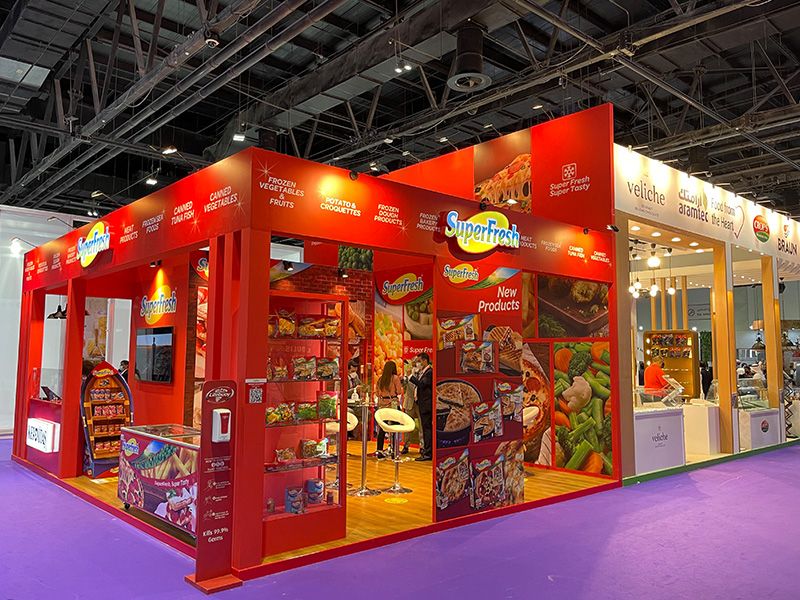
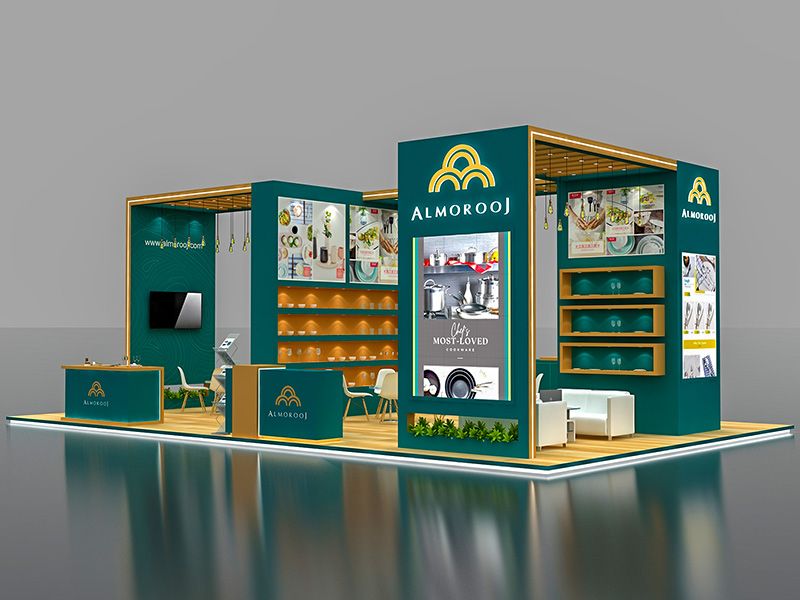
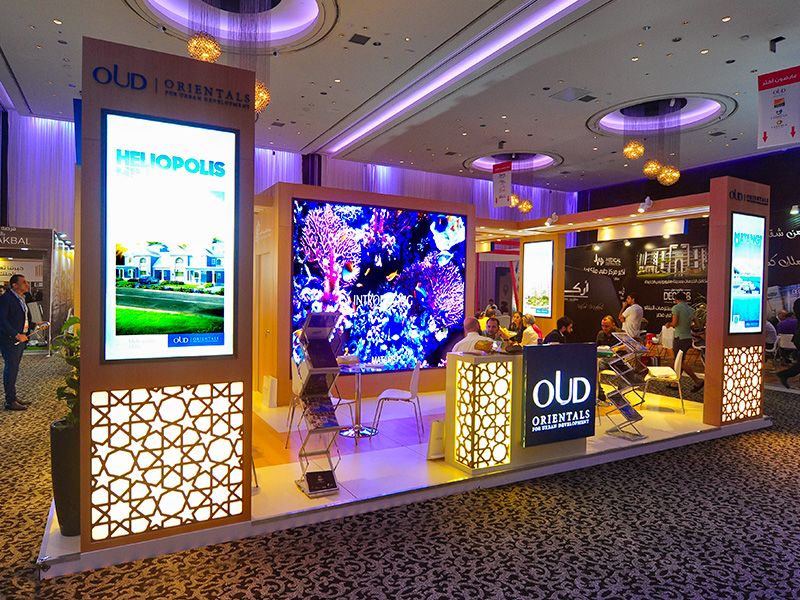
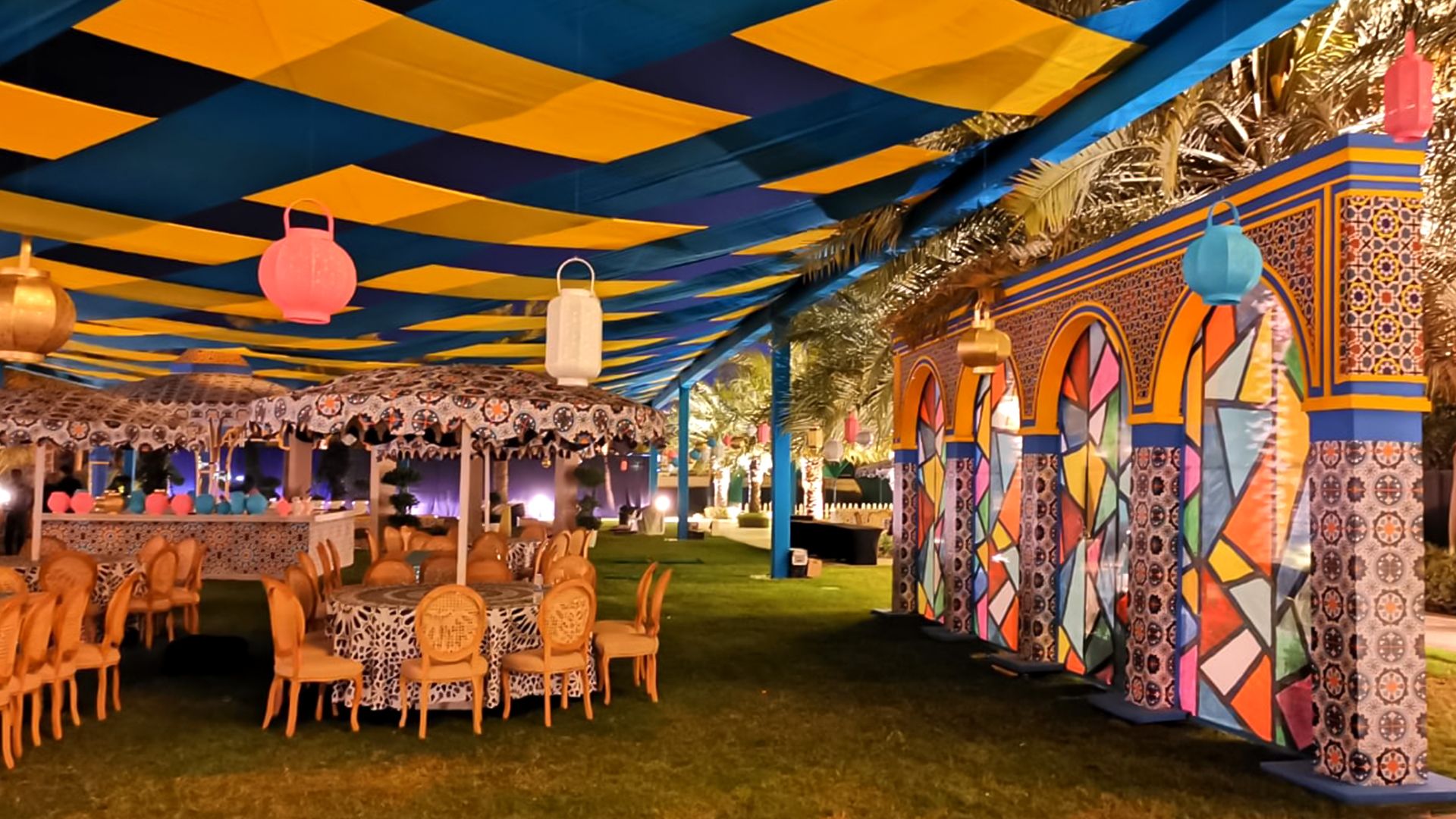
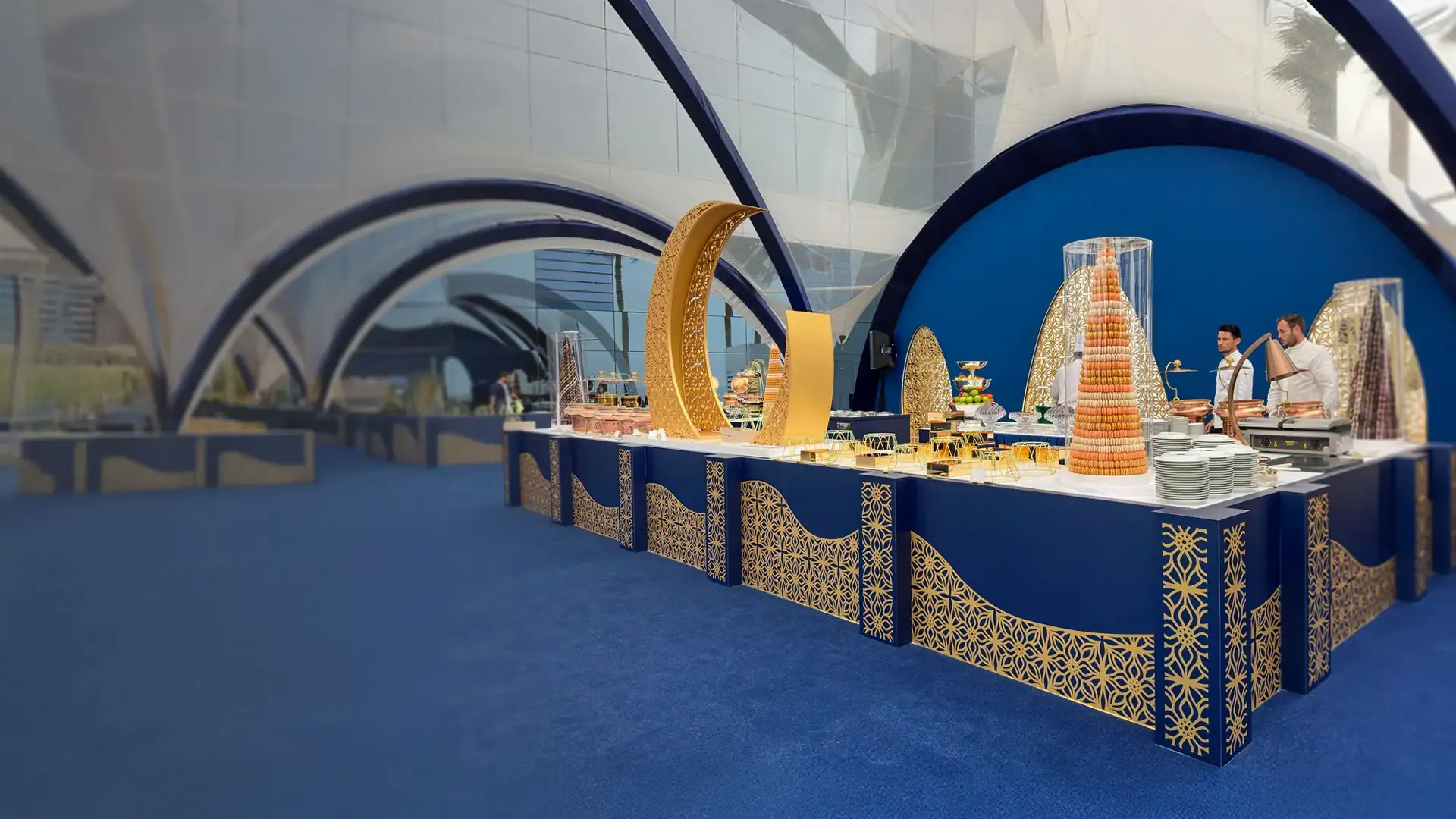
The magic happens when you realize that everything at your event can contribute to the narrative. Your lighting isn't just functional, it sets the mood for different chapters of your story. Your speakers aren't just delivering information, they're characters advancing the plot. Even your venue choice is part of the world you're building.
Let's say you're planning a tech conference about innovation. Your story could be about breaking through barriers and stepping into the future. Suddenly, your entrance design matters. Maybe attendees walk through a narrow corridor that opens up into a bright, expansive space, physically experiencing the concept of breakthrough. Your stage design could incorporate elements that feel futuristic. Your speakers could share personal stories about their own breakthrough moments.
Everything works together to reinforce the same narrative thread. That's not just good planning, that's storytelling.
Making It Personal
The best event stories aren't monologues; they're conversations. When you create opportunities for attendees to inject their own experiences into the narrative, the story becomes theirs too. This could be as simple as a social media wall where people share their thoughts, or interactive installations where their choices affect the experience, or speakers who weave personal anecdotes that audience members can relate to.
Personal stories within the bigger story create empathy and connection. When someone shares a real struggle or success related to your event's theme, it transforms abstract concepts into something tangible and emotional. Suddenly, it's not just about the information being delivered, it's about real people navigating real challenges.
The Technical Side of Emotional Impact
You might be thinking this all sounds great in theory, but how do you actually do it? The good news is that modern event production has incredible tools at your disposal. Sound design can create emotional peaks and valleys. Lighting can shift atmospheres in seconds. Video content can deliver key narrative moments with clarity and impact. Interactive technology can make attendees active participants rather than passive observers.
These aren't just technical elements. They're storytelling devices. When used with intention, they can turn a standard presentation into an immersive experience. Think about how projection mapping can transform a plain stage into different worlds throughout your event. Or how carefully timed lighting changes can signal transitions between different parts of your story.
The key is knowing what story you're telling first, then using these tools to bring it to life.
Start With Why
Before you dive into the logistics of your next event, ask yourself: what's the story we're trying to tell? What do we want people to feel? What journey do we want to take them on?
Your answers to these questions should inform everything else. The speakers you choose, the way you design the space, the flow of the day, even the food you serve. When every decision supports the same narrative, you create coherence. And coherence creates impact.
It doesn't have to be complicated. Sometimes the best event stories are simple: transformation, celebration, discovery, connection. Pick your theme and commit to it fully.
The Aftermath
Here's how you know storytelling worked: people talk about your event afterwards without prompting. They remember how they felt, not just what was said. They feel changed by the experience, even in some small way.
That's the difference between an event and an experience. Between showing up because you have to and showing up because you want to. Between forgetting by next week and remembering for years.
So the next time you're planning an event, don't just think about the schedule. Think about the story. Because at the end of the day, nobody remembers the guy who kept things on time. They remember the experience that moved them.