What is Trade Show Booth Design?
In the competitive landscape of trade shows and exhibitions, your booth is more than just a physical space. It's a three-dimensional brand experience, a lead generation engine, and often your biggest marketing investment of the year. Trade show booth design is the strategic process of creating an engaging, functional, and memorable exhibition space that attracts visitors, communicates your brand message, and drives business results. But what exactly does this entail, and why does it matter so much to your event success?
Defining Trade Show Booth Design
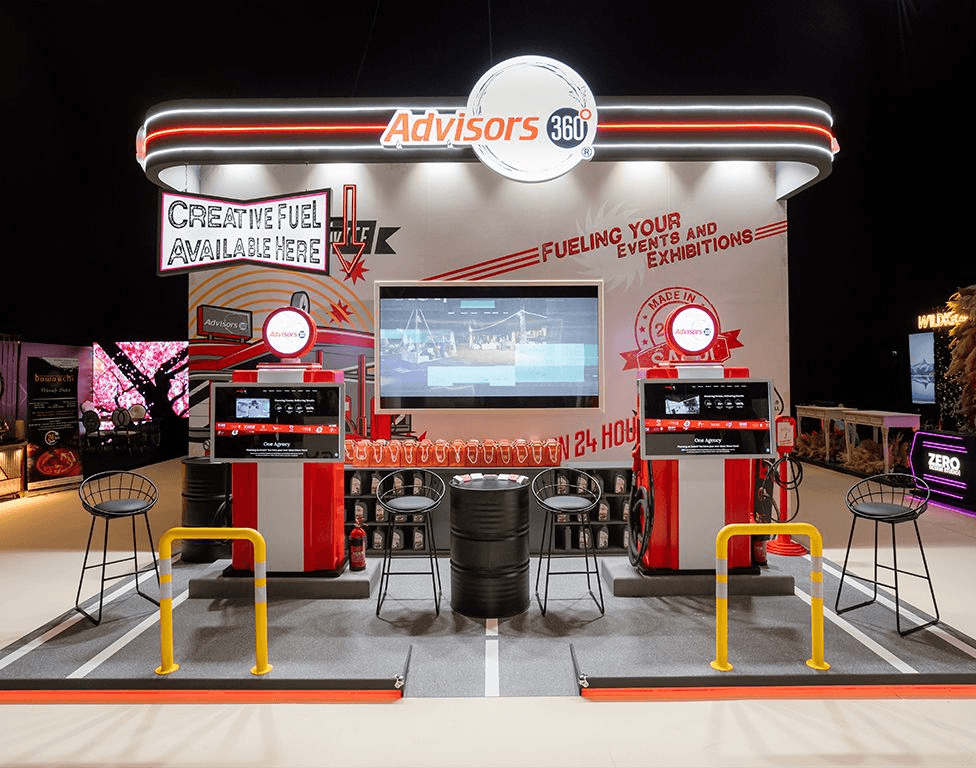
Trade show booth design is the comprehensive planning and creation of your exhibition presence, combining architecture, graphic design, lighting, technology, and spatial planning to create an environment that achieves specific marketing and sales objectives. It's where form meets function, aesthetics meet strategy, and creativity meets commerce.
More Than Just Aesthetics
While visual appeal is certainly important, effective booth design goes far deeper than choosing attractive colors and eye-catching graphics. It's about understanding visitor psychology, optimizing traffic flow, creating strategic touchpoints for engagement, and designing an experience that moves prospects through your sales funnel. A beautifully designed booth that doesn't generate leads or facilitate meaningful conversations is ultimately a failure, regardless of how stunning it looks.
Strategic Brand Expression
Your booth design is a physical manifestation of your brand identity. Every element, from the materials you choose to the way you light your space communicates something about your company. Are you innovative and cutting-edge, or established and trustworthy? Are you approachable and friendly, or exclusive and premium? Your booth design answers these questions before a single word is spoken.
Functional Problem Solving
Great booth design solves practical problems: How do you attract attention on a crowded show floor? How do you accommodate product demonstrations while maintaining conversation areas? How do you create private meeting spaces without isolating yourself from foot traffic? Where do you store materials, charge devices, and provide staff with breaks? Design addresses all these challenges while maintaining aesthetic appeal.
Core Elements of Trade Show Booth Design
Successful booth design integrates multiple elements into a cohesive whole, each serving specific purposes while supporting the overall vision.
Structural Framework
The foundation of your booth design is its physical structure. The walls, frames, and architectural elements that define your space. This can range from simple pipe-and-drape configurations to elaborate custom-built environments. Your structural choices affect everything else, determining what graphics you can display, how you can light the space, and what activities you can accommodate. Modular systems offer flexibility and reusability, while custom builds provide unique brand expressions that can't be replicated.
Graphics and Visual Communication
Large-format graphics are the visual workhorses of trade show booths, communicating your brand message from across the show floor. Effective graphics balance bold, attention-grabbing elements with clear, readable messaging. They establish hierarchy, guiding visitors' eyes to the most important information first. Graphics shouldn't just decorate. They should inform, intrigue, and invite engagement. The best designs use imagery that resonates with your target audience and messaging that addresses their needs, not just your features.
Lighting Design
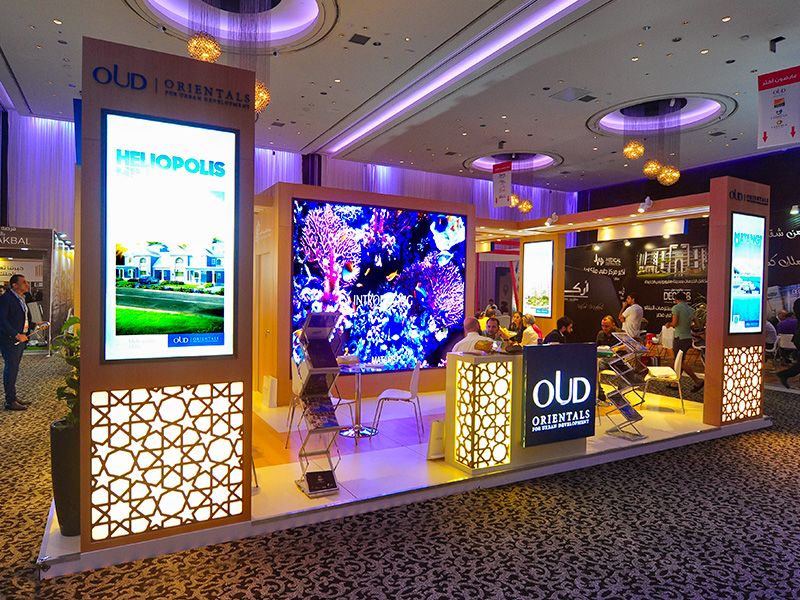
Lighting transforms booth design from ordinary to extraordinary. Strategic illumination highlights products, creates ambiance, directs attention, and makes your space feel more expensive and professional. Different lighting types serve different purposes: spotlights emphasize key products, backlighting makes graphics pop, ambient lighting creates comfortable environments, and accent lighting adds drama and visual interest. Professional booth designs layer multiple lighting types to create depth and dimension.
Technology Integration
Modern booth design incorporates technology purposefully to enhance engagement and demonstrate innovation. This includes digital displays and video walls for dynamic content, interactive touchscreens for product exploration, virtual or augmented reality for immersive experiences, lead capture systems for efficient data collection, and charging stations for visitor convenience. Technology should enhance your message, not distract from it. Every tech element should serve a clear purpose.
Spatial Planning and Layout
How you organize your space dramatically affects visitor experience and staff efficiency. Open layouts invite exploration and appear welcoming, while defined zones create purposeful areas for different activities. Effective spatial planning considers traffic flow patterns, ensuring visitors can easily enter, navigate, and exit your booth. It balances openness with privacy, providing visibility to attract attention while offering quiet areas for serious conversations. The layout must also accommodate staff needs, including storage, workstations, and break areas that don't compromise visitor experience.
Furniture and Fixtures
The furniture you select contributes significantly to your booth's look, feel, and functionality. Seating areas provide respite for tired attendees while facilitating extended conversations. Display fixtures showcase products at appropriate heights and angles. Counters create transaction points and provide staff with work surfaces. Furniture style, be it modern, traditional, industrial, minimalist, reinforces your brand personality. Quality matters here; cheap furniture diminishes your entire booth's perceived value.
Types of Trade Show Booth Designs
Booth designs vary widely based on space size, budget, objectives, and industry norms. Understanding different design approaches helps you choose the right solution.
Inline Booths
These standard 10x10, 10x20, or larger spaces back up to other exhibitors with one open side facing the aisle. Inline booth design maximizes limited space through vertical elements, strategic graphics placement, and efficient layout. Since visibility comes from only one direction, design focuses on creating a strong front-facing impression that draws attendees in from the aisle.
Corner Booths
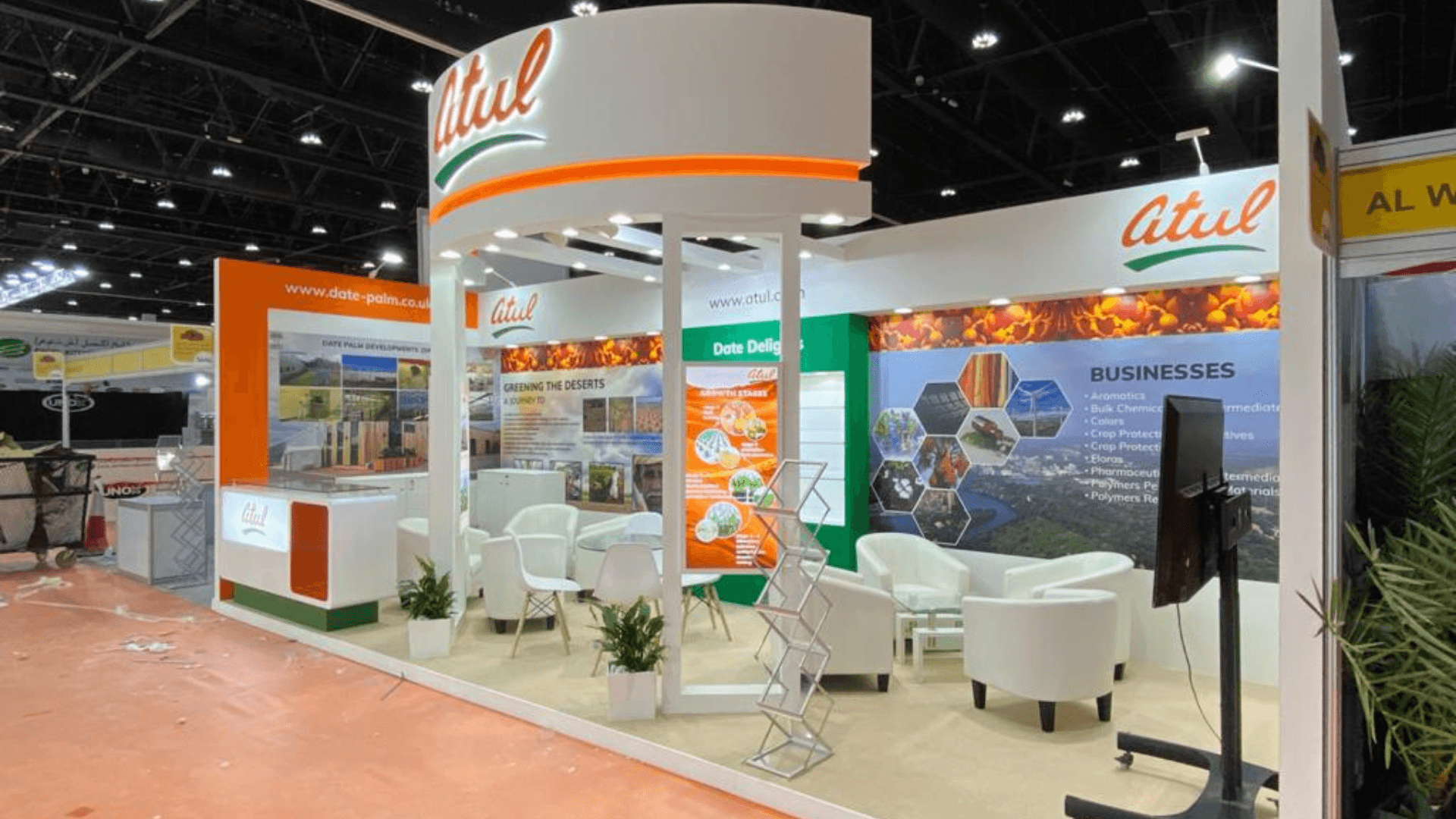
With two open sides, corner booths offer significantly more visibility and access points. Design can be more open and inviting, with entry points from multiple directions. This configuration allows for more creative layouts that don't rely solely on back-wall graphics, incorporating side elements that capture traffic from both aisles.
Peninsula Booths
These larger spaces have three open sides with only one backed wall, typically requiring 20x20 feet or more. Peninsula booth design emphasizes 270-degree visibility, often featuring central focal points visible from all approaches. Height restrictions are often more lenient in center areas, allowing for dramatic vertical elements. Design must work from multiple viewing angles without creating "dead" sides.
Island Booths
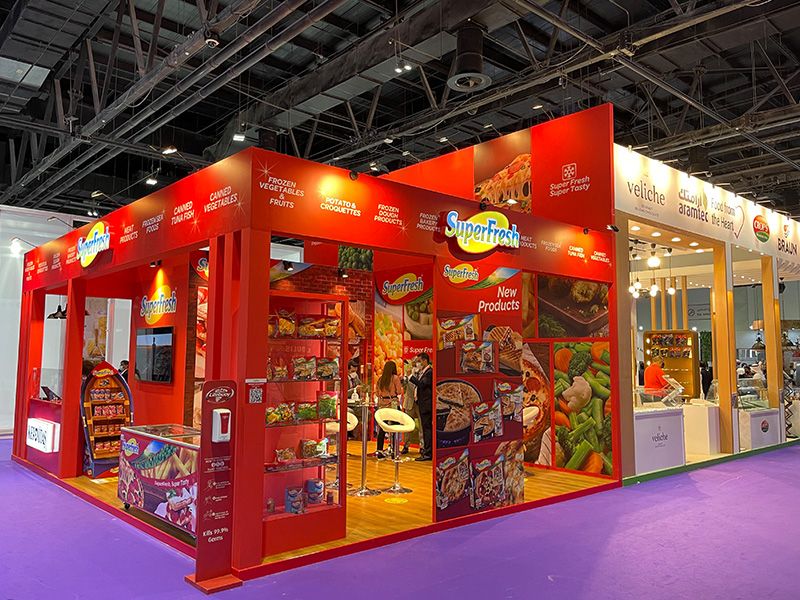
Completely free-standing with all four sides exposed to traffic, island booths are the premium real estate of trade show floors. Design enjoys maximum flexibility, often incorporating tall central structures, multiple experience zones, and 360-degree appeal. These booths can create destination experiences with theater seating, product demonstration areas, hospitality zones, and mini-showrooms. However, they also require the most investment and careful planning to ensure all sides remain engaging.
The Trade Show Booth Design Process
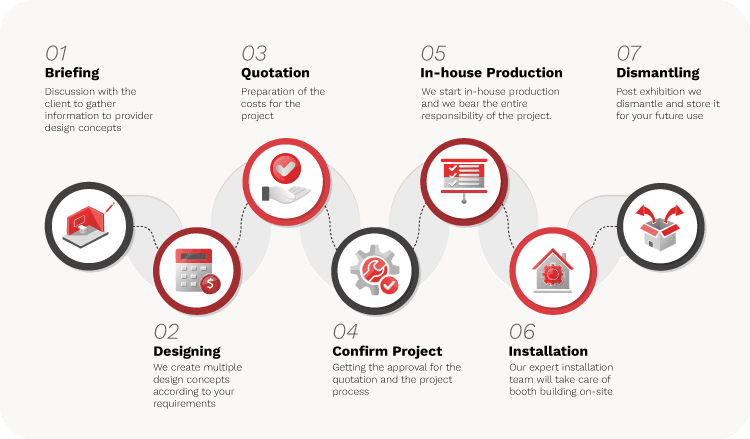
Creating an effective booth design follows a strategic process that aligns business objectives with creative execution.
Discovery and Strategy
The process begins with understanding your goals: What do you want to achieve at this trade show? How many leads? What brand impressions? Which products need highlighting? Who is your target audience, and what motivates them? What are your competitors doing? These strategic questions inform every design decision that follows. You'll also need to consider practical constraints like budget, booth size and type, venue regulations, and timeline.
Concept Development
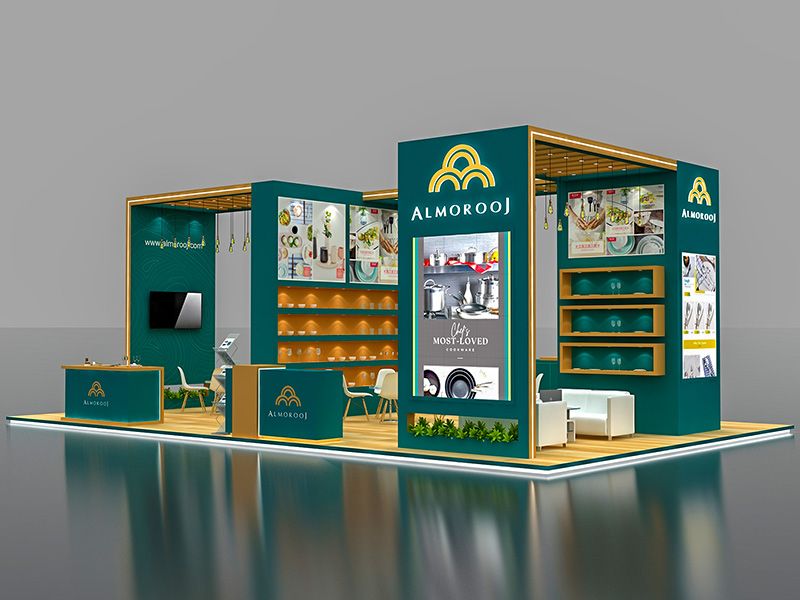
Based on strategic direction, designers develop initial concepts that express your brand while achieving your objectives. This phase explores different layout options, visual themes, structural approaches, and technology integration ideas. Concepts are typically presented as sketches, mood boards, or preliminary 3D renderings that communicate the overall vision without getting lost in details.
Design Refinement
Once a concept direction is chosen, designers develop detailed plans including precise layouts with dimensions, complete graphic designs, material and finish specifications, lighting plans, technology integration details, and furniture and fixture selections. This phase involves collaboration and revision, ensuring every element serves your objectives while remaining within budget and complying with venue regulations.
Production and Fabrication
Approved designs move into production, where specialized fabricators build structures, print graphics, assemble components, and integrate technology. Quality control at this stage ensures everything is built to specification and functions as intended. Proper project management coordinates multiple vendors, tracks progress, and troubleshoots issues before they become show-floor problems.
Installation and Execution
The final phase brings your design to life on the show floor. Professional installation teams assemble structures, hang graphics, position lighting, set up technology, and arrange furniture. Final adjustments ensure everything looks perfect and functions properly. Post-show, the booth is dismantled, packed, and either stored for future use or modified for upcoming events.
Key Principles of Effective Booth Design
Regardless of size or budget, successful booth designs share common characteristics.
Clear Brand Identity
Your booth should be unmistakably yours, reflecting your brand personality, values, and visual identity. Consistency with other marketing materials builds recognition and trust. Strong branding doesn't mean plastering your logo everywhere—it means every design choice reinforces who you are and what you stand for.
Visitor-Centric Focus
Design from your visitor's perspective, not your own. What attracts their attention? What information do they need? How do they prefer to engage? What will make them remember you? The best designs anticipate visitor needs and remove friction from the engagement process.
Strategic Simplicity
Cluttered booths overwhelm visitors and dilute your message. Effective design embraces strategic simplicity—focusing on key messages, maintaining clean sightlines, using white space effectively, and resisting the temptation to showcase everything you do. It's better to communicate three things memorably than ten things forgettably.
Flexibility and Adaptability
Well-designed booths work across multiple shows, adapting to different space sizes and configurations. Modular elements can be reconfigured, graphics can be updated, and technology can be upgraded without requiring complete redesigns. This flexibility maximizes your investment across multiple events.
Conclusion
Trade show booth design is a sophisticated discipline that combines marketing strategy, architectural planning, graphic design, and experiential marketing into a cohesive brand expression. It's an investment in making your company stand out in competitive environments, creating memorable experiences that generate leads and build brand equity.
Whether you're planning your first 10x10 booth or designing a sprawling island experience, understanding what booth design truly encompasses helps you make better decisions, work more effectively with designers, and ultimately achieve better results from your trade show investments. Great booth design doesn't happen by accident. It's the result of strategic thinking, creative execution, and relentless focus on what matters most: connecting with your audience in meaningful ways that drive business results.