From Expo Stands to Long-Term Clients: How to Actually Convert Your Trade Show Leads
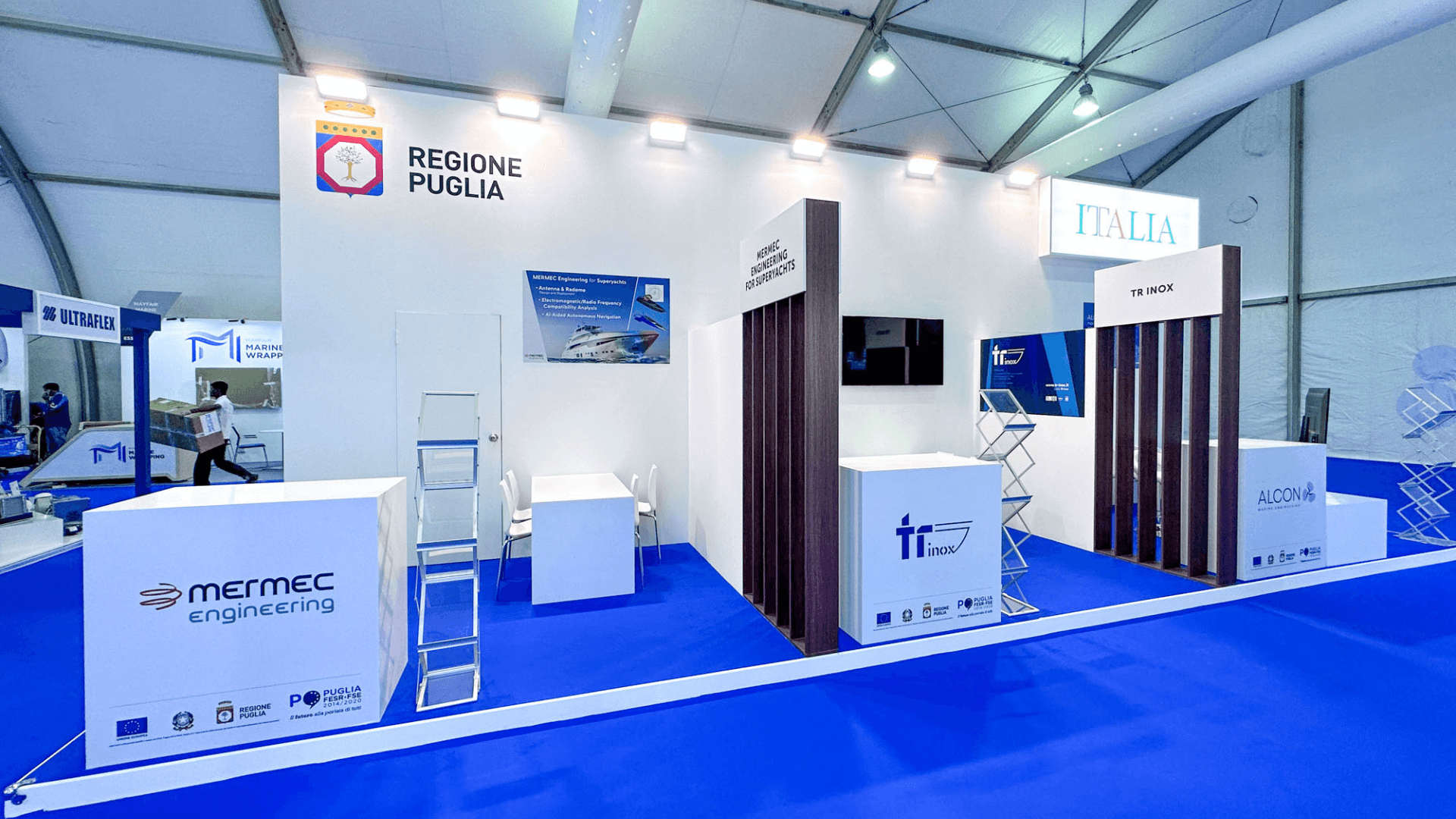
You just spent three exhausting days at an expo. Your feet hurt, you've talked to hundreds of people, and your badge scanner is full of promising leads. You pack up your booth, head home, and then... crickets. Sound familiar?
Here's the uncomfortable truth: most companies are terrible at converting expo leads into actual clients. Research shows that 80% of trade show leads never get followed up properly. That's not just a missed opportunity, that's money literally walking out the door.
Let me show you how to turn those business cards and badge scans into relationships that actually pay off.
Strike While the Iron Is Hot (Really Hot)
You know that moment right after you meet someone at a party and you think "I should message them tomorrow"? And then a week goes by and it feels weird to reach out? That same thing happens with expo leads, except it costs you actual revenue.
The magic window is 24 to 48 hours. That's when you're still fresh in their mind, they still remember your booth, and they haven't been buried under follow-up emails from your 50 competitors.
Send a quick, personal email. Not a generic "Thanks for stopping by" template that screams automation. Reference something specific from your conversation. Maybe they mentioned they're struggling with inventory management, or they loved your product demo, or you both laughed about the terrible coffee at the venue. Those little details matter. They show you were actually listening, not just collecting contacts like Pokemon cards.
Ask Them How They Want to Be Contacted
Here's something most exhibitors get wrong: they assume everyone wants to be contacted the same way. Some people live in their inbox. Others let emails pile up and prefer a phone call. Some are LinkedIn natives who respond better to messages there.
When you're talking to leads at your booth, simply ask: "What's the best way to follow up with you?" It seems almost too simple, but this one question can dramatically improve your response rates. You're giving them control, which builds trust, and you're getting permission to reach out on their terms.
Stop Selling, Start Helping
The biggest mistake exhibitors make in follow-up is going straight for the sale. Your leads just met you 48 hours ago. They're not ready to sign a contract. They're still figuring out if they even like you.
Instead, position yourself as a helpful resource. Share something valuable that relates to the challenge they mentioned. Maybe it's a case study showing how you solved a similar problem for another client. Or a short industry insight that helps them think differently about their business. Or even just a useful article you came across.
This approach does two things: it keeps you top of mind without being pushy, and it demonstrates that you understand their world. You're building trust, not just chasing a transaction.
The Power of Multiple Touchpoints
Here's a stat that should change how you think about follow-up: 80% of leads need at least four follow-ups after the initial meeting to close. Four. Not one courtesy email and then giving up when they don't respond.
But here's the key, those touchpoints need to add value each time. You can't just send the same "checking in" email four times. Mix it up. An email, then a LinkedIn connection request with a personalized note, then maybe sharing a relevant post they might find interesting, then an invitation to a webinar or demo.
Each interaction should give them a reason to engage. Think of it like dating. You wouldn't ask someone to marry you on the first date, and you wouldn't send the same "Hey, what's up?" text five times in a row.
Create Urgency Without Being Pushy
Remember those promotions or special offers you mentioned at your booth? Now's the time to remind people about them. But frame it right.
Instead of "Our promotion ends Friday!" try "I wanted to make sure you didn't miss out on the show special we discussed. It's available until Friday for people we met at the expo." See the difference? One feels like pressure, the other feels like you're doing them a favor by reminding them.
Limited time offers work because they create natural urgency. Just make sure the deadline is real and the offer is genuinely valuable.
Keep Them Warm with Consistent Content
Not everyone is ready to buy right now. Some leads need six months of nurturing before they're ready to have a serious conversation. That's where consistent, valuable content comes in.
Set up a simple nurturing sequence. Maybe it's a monthly email with industry insights. Or invitations to webinars. Or case studies that showcase your expertise. The goal isn't to hard sell in every communication. It's to stay present so when they're ready to buy, you're the obvious choice.
Think of it as being the friend who shows up consistently, not the desperate one who only calls when they need something.
Qualify Early, Focus Your Energy Wisely
Not every lead deserves the same amount of attention. That's not cynical, it's smart business. You need a system to quickly identify which leads are hot, warm, or cold.
Hot leads have budget, timeline, and authority. They're ready to move. These get immediate, personalized attention. Warm leads are interested but not quite ready. They go into your nurturing sequence. Cold leads? They get minimal follow-up or go into a long-term drip campaign.
This isn't about being rude to anyone. It's about being strategic with your limited time and energy so you can give your best leads the attention they deserve.
Make It Stupidly Easy for Them to Say Yes
When leads are ready to take the next step, don't make them work for it. Send calendar links so they can book time with you instantly. Create simple, clear proposals. Offer options that match different needs and budgets.
The easier you make the decision process, the more likely they are to move forward. Friction kills deals. Remove it wherever possible.
The Long Game Pays Off
Converting expo leads into long-term clients isn't about aggressive sales tactics. It's about building genuine relationships, providing consistent value, and being there when they're ready to buy.
Some of your best clients might come from leads who took six months or a year to convert. That's okay. The key is having a system that keeps them engaged during that time without burning you out or making them feel pressured.
Expos are expensive. Between booth fees, staff time, travel, and materials, you're investing serious money. Don't waste that investment by treating follow-up as an afterthought. The real ROI comes from what happens after you leave the show floor.
So take that stack of business cards seriously. Build a system. Follow up consistently. Provide value. And watch those expo conversations turn into real, revenue-generating relationships.